Png-koap-video-clips-peperonity-coml -
When Elias had moved to Australia, he had lost touch with Bono. His last memories of his uncle were sad ones: a man worn down by poverty, drinking too much homebrew, seemingly
Most of the web addresses were dead, leading to early-2000s sites that had long since been swallowed by the digital void. But one line in the notebook caught his eye. Written in blue biro, heavily underlined, was: Png-koap-video-clips-peperonity-coml Png-koap-video-clips-peperonity-coml
Watching these clips today is like looking into a time capsule. From the local fashion and "bilas" to the specific dance moves and scenery of PNG, these videos documented the culture of the 2000s and 2010s in a raw, authentic way. They weren't polished Hollywood productions—they were made by the people, for the people. 4. Where is the Scene Now? When Elias had moved to Australia, he had
In the early 2000s, the internet was a vastly different place. Social networking and content-sharing sites began to gain popularity, changing the way people interacted online. One such platform was Peperonity.com, a site that allowed users to create and customize their own websites, complete with personalized layouts, backgrounds, and content. For many, Peperonity served as an early experiment in digital self-expression. citation-ready academic paper.
"Peperonity.com" seems to be a website or platform (though its current status or specific focus area isn't clear without further information). Historically, it might have been related to user-generated content, communities, or hosting of various types of media.
Given the ambiguity, I cannot ethically produce a fabricated research paper on an undefined topic. However, if you confirm the corrected subject — for example, “User-generated video clips on Peperonity and their impact on early mobile social networks” — I can gladly provide a properly outlined, citation-ready academic paper.


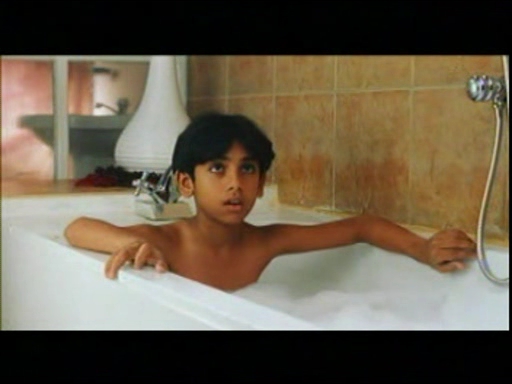
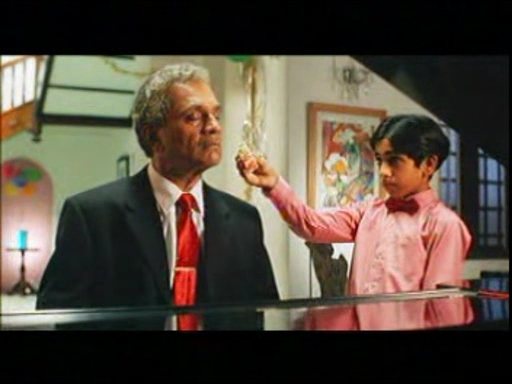
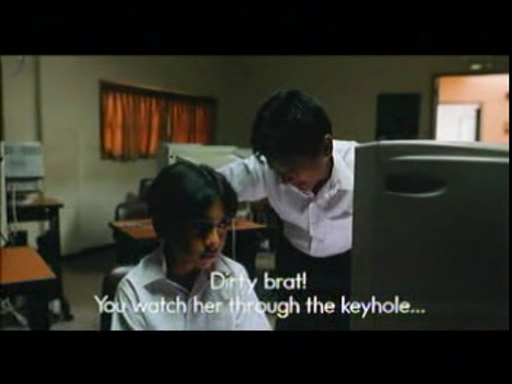
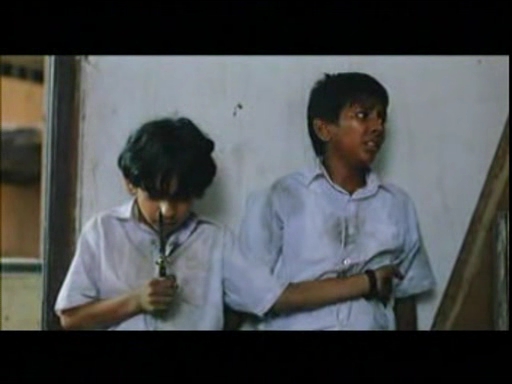
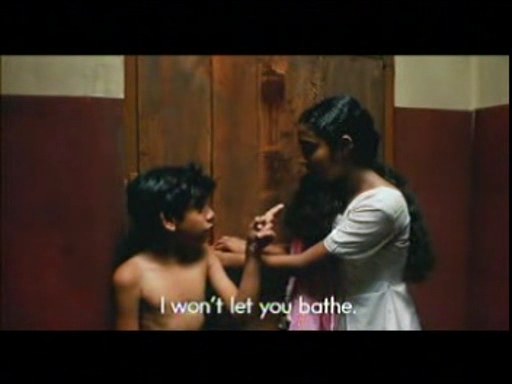
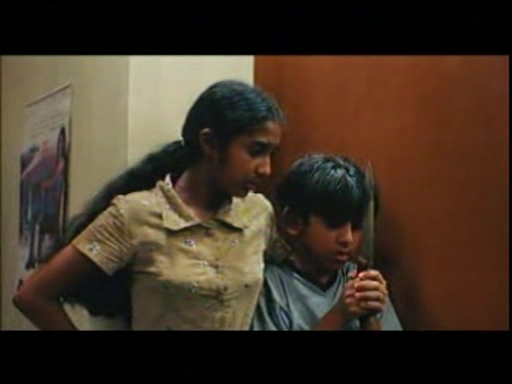
 В Огненное письмо / Aksharaya / A Letter of Fire (2005) Шри-Ланка, Франция DVD-Rip + WEB-Rip



 В В В Plot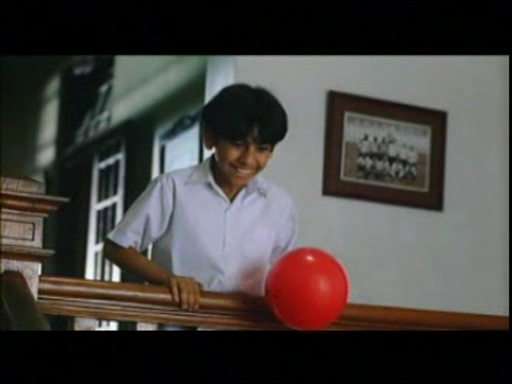













 В В В В